
How to Build a Portable Video Kit for Travel
Start With a Camera You Will Actually Carry
The best travel camera is the one that leaves your bag. A full-frame body with a fast zoom may look impressive on paper, but if it stays in the hotel safe because it weighs as much as a bag of sugar, it is dead weight. For most small businesses and independent creators, a compact camera with a one-inch sensor or a good mirrorless body paired with a small prime lens will cover interviews, behind-the-scenes clips and product close-ups beautifully.
Look for three things above all else: a flip-out screen so you can frame yourself, decent low-light performance, and clean HDMI or USB-C output if you ever want to record to an external device. A 24mm or 35mm equivalent lens is the sweet spot for travel — wide enough for a room, tight enough for a face.
Batteries are the quiet killer of travel shoots. Carry at least three, charge them the night before, and bring a compact power bank rated for USB Power Delivery. If your camera can charge over USB-C while recording, you have just saved yourself a charger, a plug adapter and a small pile of stress.
Support That Folds Flat
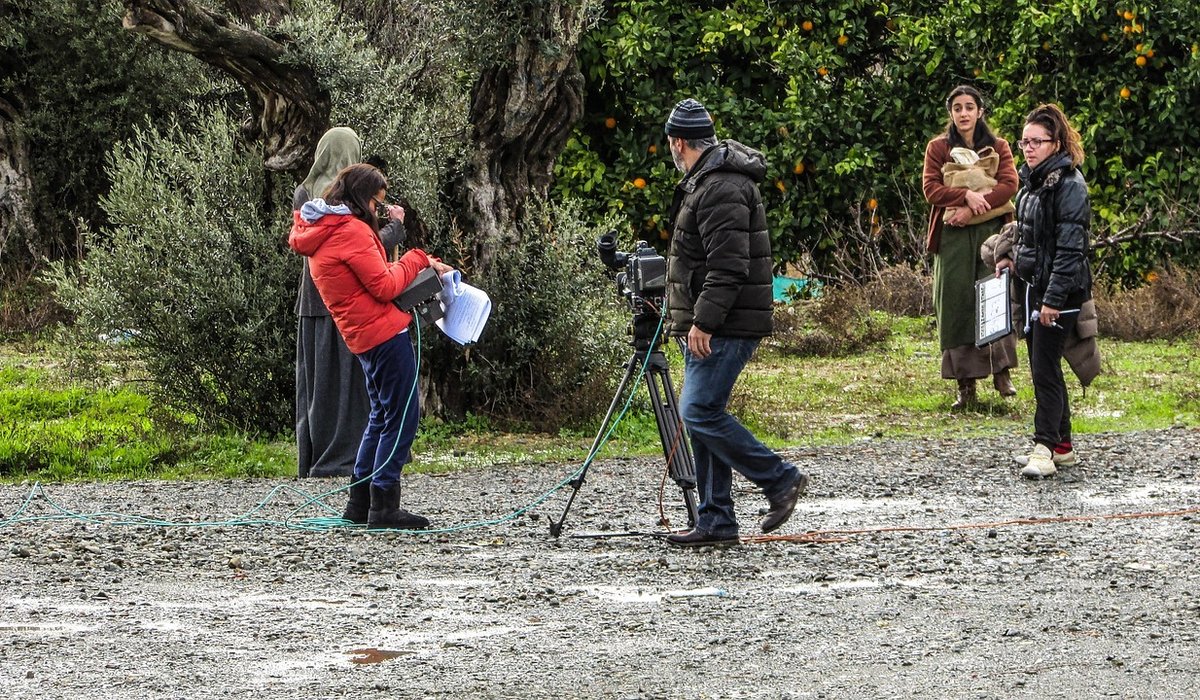
A tripod is essential, but a heavy one is a burden you will resent by day three. Aim for a travel tripod that folds to around 35–40cm and weighs under 1.2kg. Carbon fibre costs more but pays you back in shoulder comfort. Check that the legs have twist or flip locks you can operate in the cold, and that the head uses a standard quick-release plate so you are not hunting for spares.
- Mini tripod with flexible legs — wraps around railings, branches and café chairs.
- Tabletop tripod — perfect for talking-head pieces and podcast recordings on a desk.
- Monopod — useful for walking shots and crowded spaces where a tripod is antisocial.
- Bean bag — weighs almost nothing empty, fills with rice or lentils, and stabilises a camera on any flat surface.
If you are filming in public in the UK, a small tripod attracts far less attention than a large one, and many museums, markets and stations have rules about the space you occupy. Keep your footprint tiny and you will get away with far more.
Light You Can Fit in a Pocket
You do not need a lighting truck. One bi-colour LED panel the size of a paperback will transform a dull hotel room into something usable. Look for adjustable colour temperature between roughly 2700K and 6500K, a high CRI rating, and USB-C charging. Magnetic backs are a gift — you can slap the light onto a fridge, a metal door frame or a cheap magnetic mount.
Bring a small diffuser or a sheet of tracing paper and a couple of elastic bands. Bare LEDs are harsh; softened light flatters skin and hides the worst of a cheap hotel carpet. A collapsible reflector, silver on one side and white on the other, costs very little and bounces window light exactly where you want it.
For podcast audio and video alike, avoid overhead ceiling lights where possible. Sit facing a window, add a small LED as a fill on the shadow side, and your footage will look intentional rather than accidental.
Do Not Neglect Sound
Viewers forgive soft images. They do not forgive bad audio. A tiny lavalier microphone clipped to a collar, plugged into your phone or camera, will beat the built-in mic every single time. Carry two if you are interviewing someone, plus spare windshields — a foam cover costs pennies and saves a whole shoot on a breezy seafront.
If you are producing a podcast on the move, a compact field recorder with built-in mics is a genuine travel companion. It records to a card, runs on AA batteries or USB-C, and gives you a backup track even if your camera fails. Bring a small pair of wired headphones so you can actually hear what you are capturing. Recording without monitoring is gambling.
- Two lav mics with spare clips and windshields.
- Compact recorder or a phone interface with a decent preamp.
- Wired earbuds — lighter and more reliable than Bluetooth on a shoot.
- Spare AA batteries if your recorder takes them; they are sold everywhere.
A Bag That Protects Without Bulking
Your bag is the difference between a kit that survives a flight and one that arrives with a cracked screen. Choose a padded shoulder bag or backpack with a removable camera insert, or buy a dedicated camera cube and drop it into a bag you already like. Look for water-resistant fabric, sealed zips and a base that does not sag.
Pack so that nothing metal touches a screen. Lens cloths, a small blower and a handful of silica gel sachets weigh almost nothing and prevent the slow creep of dust and condensation. If you are flying, keep batteries in your hand luggage — most airlines require it — and put your tripod in the hold if the legs could be treated as a weapon.
Cable organisation matters more than you think. A small pouch with labelled USB-C, Lightning and audio cables means you are not untangling a nest at midnight before an early shoot. Label your cards too, and format them in-camera before every job so you never overwrite yesterday's footage by mistake.
A Routine That Makes Travel Shooting Easy
Before you leave, build your kit, pack it, then shoot a two-minute test at home. Check focus, audio levels, white balance and battery life. Do it once and you will spot the missing adapter or the dead battery before it costs you a day.
On location, keep a simple ritual: charge everything overnight, back up cards to a laptop or drive each evening, and wipe your lens before the first shot. Travel light, protect what you carry, and your compact kit will quietly outperform a heavy one left behind in the cupboard.


Window light can be beautiful if you control direction and time of day. Diffuse harsh sun and avoid mixing daylight with indoor bulbs.
Hard shadows look harsh on camera. Use diffusion panels, bounce light off white walls and move your subject away from the background.
Bad sound ruins good video. Use lapel mics, record room tone and choose quieter corners away from traffic, air conditioning and echoing hallways.
Consistent loudness keeps listeners comfortable. Aim for peaks around minus six decibels and avoid clipping, then normalise your final mix.